
Categories
Homeowner ResourcesPublished July 8, 2026
One of the Most Overlooked Costs of Buying a Home in Florida

%20(11).png)
The Quick Take
- The seller’s tax bill may not be yours. Homestead benefits and assessment caps can make the current tax amount misleading.
- The surprise may arrive later. Reassessment after purchase can cause an escrow shortage and a higher monthly payment.
- Estimate before you offer. Use the county property appraiser’s tools and ask your lender to model post-purchase taxes.
Most buyers spend a lot of time looking at the purchase price, interest rate, and estimated monthly payment.
Far fewer take a close look at the property's current tax bill.
That can be an expensive mistake.
One of the most common conversations we have with buyers is explaining why the property taxes they're seeing online may not be the property taxes they'll actually pay after purchasing the home.
Understanding this before you buy can help you budget more accurately and avoid an unpleasant surprise after closing.
The Seller's Tax Bill Belongs to the Seller
When you're browsing homes online, you'll often see the current year's property taxes listed with the property details.
It's easy to assume those taxes will become your taxes.
In many cases, they won't.
The current tax bill reflects the seller's ownership of the property—not yours.
If the seller has owned the home for many years, they may have benefited from Florida's Homestead Exemption and the Save Our Homes assessment cap, which can significantly limit how quickly a property's assessed value increases over time.
That means two nearly identical homes on the same street could have very different property tax bills simply because one owner has lived there much longer.
What Happens After You Buy?
After a property changes ownership, the county property appraiser may reassess the property's value for tax purposes.
While every situation is different, buyers should understand that the previous owner's tax bill is often not a reliable way to estimate future property taxes.
Depending on the property's value and the seller's exemptions, the difference can be significant.
The Escrow Surprise That Catches Buyers Off Guard
Here's another detail that's easy to miss.
Many mortgage lenders establish your escrow account using the property's most recent tax bill because that's the information available at closing.
If the property taxes increase after the reassessment, the amount collected in your escrow account may no longer be enough to cover the tax bill.
The following year, your mortgage company may:
- Increase your monthly escrow payment
- Collect enough to cover the higher taxes going forward
- Recover any shortage that occurred during the previous year
For many homeowners, this results in an unexpected increase in their monthly mortgage payment—even though nothing about their loan has changed.
We've seen this surprise catch buyers off guard more than once, which is why we like to discuss it before closing rather than after.
How Can You Estimate Your Future Property Taxes?
Fortunately, you don't have to guess.
Many Florida counties provide online property tax estimators that allow buyers to estimate taxes based on the purchase price rather than the seller's current tax bill.
If you're buying in Duval County, the Property Appraiser provides an online Tax Estimator that can be an excellent planning tool.
Click on the calculator to estimate your taxes for Duval County, Florida.
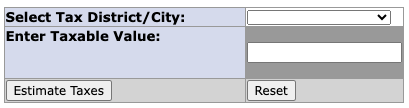
While no estimate is perfect, it's generally much more accurate than simply looking at the seller's current tax bill.
While no calculator can guarantee your future tax bill, it's generally a much better starting point than relying on the previous owner's taxes.
**Buyer Tip**
Before making an offer, ask your lender to estimate your monthly payment using the estimated post-purchase property taxes, not just the seller's current tax bill.
What If You're Already a Florida Homeowner?
If you're purchasing a new primary residence in Florida, you may qualify to transfer a portion of your existing Save Our Homes benefit through Florida's portability program.
Depending on your circumstances, portability can help reduce your taxable value on your next home.
We'll cover that process in more detail in a separate article because it's an important benefit many Florida homeowners don't realize they have.
Final Thoughts
Property taxes aren't something buyers should fear.
They're simply something buyers should understand.
Taking a few minutes to estimate your future tax bill before making an offer can help you build a more realistic monthly budget and avoid surprises after closing.
That's why we encourage our buyers to look beyond the seller's current tax bill and evaluate what homeownership is likely to cost after the purchase—not just before it.
Thinking About Buying in Northeast Florida?
Every property has a different financial story.
Part of our job is helping buyers understand the complete picture before they purchase a home.
If you have questions about property taxes, insurance, flood zones, or the ongoing costs of homeownership, we're always happy to help.
More Northeast Florida Resources
- What Does It Really Cost to Own a Home in Jacksonville Beach?
- Florida Property Tax Relief Proposal: What Homeowners Need to Know
- Flood Insurance in Northeast Florida: What Homebuyers Should Know

Jonathan Philips
Broker/Owner | MASH Realty Services, LLC
or another way